
Key Takeaways
- Cocaine addiction can develop rapidly — some users report feeling addicted after just a few uses due to cocaine's powerful effect on the brain's reward system.
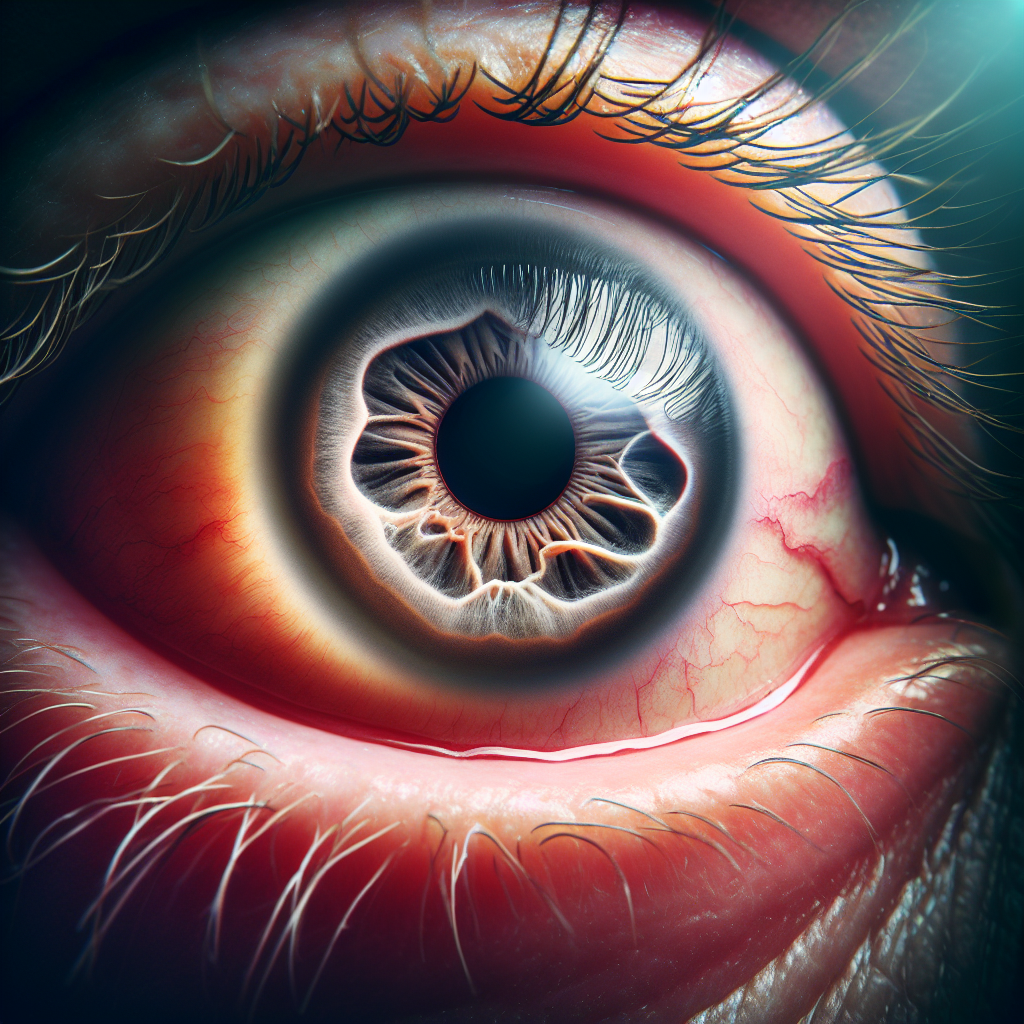
- Physical signs of cocaine addiction include dilated pupils, frequent nosebleeds, weight loss, insomnia, and increased energy followed by crashes.
- Behavioral signs include secrecy, financial problems, neglecting responsibilities, social changes, and continued use despite negative consequences.
- Cocaine increases dopamine levels by 250% compared to natural rewards, creating an intense but short-lived high that drives compulsive redosing.
- While no FDA-approved medication exists specifically for cocaine addiction, behavioral therapies (CBT and contingency management) have strong evidence of effectiveness.
- Approximately 1.4 million Americans meet criteria for cocaine use disorder.
Recognizing Cocaine Addiction
Cocaine is one of the most addictive substances due to its rapid, intense effect on the brain's dopamine system. Understanding the signs of cocaine addiction can help identify a problem early.
Physical Signs
- Dilated pupils
- Frequent nosebleeds and runny nose (from snorting)
- Significant weight loss
- Decreased appetite
- Restlessness and hyperactivity
- Insomnia followed by prolonged sleep during crashes
- Track marks (if injecting)
- Burns on fingers or lips (if smoking crack)
- Increased body temperature and sweating
- White powder residue on surfaces or belongings
Behavioral Signs
- Excessive talking and rapid speech
- Grandiosity and inflated self-confidence while high
- Extreme mood swings between highs and crashes
- Financial problems — cocaine is expensive ($60-100/gram)
- Lying and secrecy about whereabouts and activities
- Withdrawal from family and old friends
- New social circle associated with drug use
- Neglecting work, school, or family responsibilities
- Engaging in risky behaviors
- Failed attempts to cut back or stop
Psychological Signs
- Intense cravings between uses
- Anxiety, paranoia, or irritability during crashes
- Depression when not using
- Obsessive thoughts about obtaining and using cocaine
- Cocaine psychosis (paranoia, hallucinations) with heavy use
If you or a loved one is facing these challenges, learn more about our approach to treating cocaine addiction available at Trailhead Treatment Center in Salem, NH.
Treatment for Cocaine Addiction
Behavioral therapies are the most effective treatments:
- CBT (Cognitive Behavioral Therapy): Identifies triggers, develops coping skills
- Contingency Management: Provides tangible rewards for negative drug tests
- Community Reinforcement: Builds supportive social environment
- Group therapy: Peer support and shared recovery experience
Comprehensive outpatient programs that combine these approaches with case management and support services provide the strongest outcomes.
Trailhead Treatment Center provides structured intensive outpatient recovery to support lasting recovery and wellness.
Conclusion
Cocaine addiction is a serious condition that can develop quickly but is treatable with the right support. If you recognize these signs in yourself or a loved one, Trailhead Treatment Center offers evidence-based cocaine addiction treatment.