
Key Takeaways
- CBT is one of the most extensively researched and effective psychotherapies for substance use disorders.
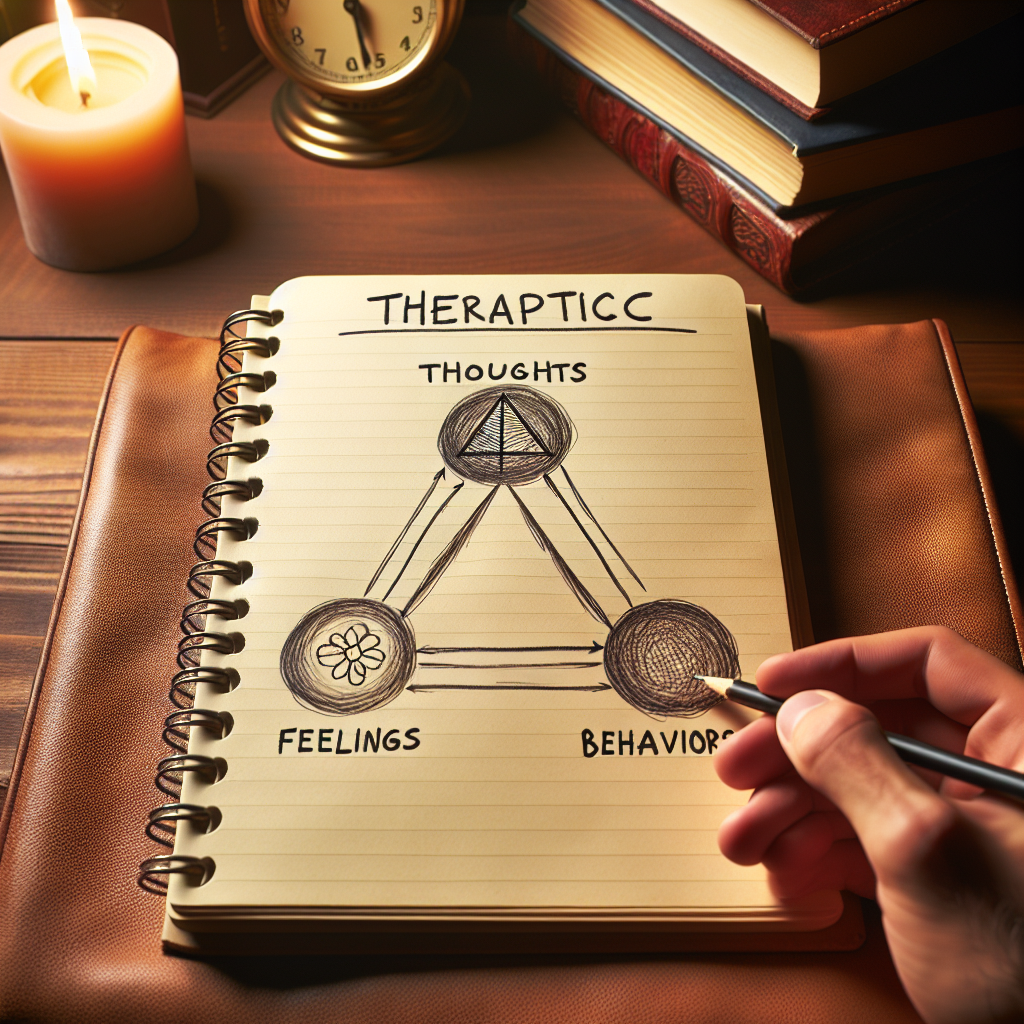
- The core principle: thoughts influence feelings, which influence behaviors — by changing thought patterns, you can change addictive behaviors.
- CBT teaches practical skills for identifying triggers, managing cravings, challenging distorted thinking, and developing healthy coping strategies.
- Studies show that CBT produces lasting benefits that continue to improve even after therapy ends — unlike medication, which only works while being taken.
- CBT is effective for all substance types and is equally effective when delivered in group and individual formats.
- At Trailhead Treatment Center, CBT is integrated into both group therapy and individual counseling sessions.
What Is CBT?
Cognitive Behavioral Therapy is a structured, skills-based approach to psychotherapy that focuses on the relationship between thoughts, feelings, and behaviors. In addiction treatment, CBT helps clients identify the thought patterns that drive substance use and develop healthier alternatives.
The CBT Triangle
CBT is built around a fundamental insight:
- Thoughts influence feelings
- Feelings influence behaviors
- Behaviors reinforce thoughts
By intervening at any point in this triangle, you can disrupt the cycle that drives addiction.
How CBT Works for Addiction
Identifying triggers: Learn to recognize the people, places, emotions, and situations that create cravings
Challenging distorted thinking: Common distortions in addiction include:
- "I can handle just one drink" (minimizing)
- "Everyone at the party will be drinking" (overgeneralizing)
- "I can't cope with stress without drugs" (catastrophizing)
- "I've already relapsed, so I might as well keep using" (all-or-nothing thinking)
Building coping skills: Practical strategies for managing cravings without using substances
Problem-solving: Developing strategies for handling difficult situations that previously led to substance use
Behavioral activation: Scheduling positive activities that provide natural reward and fulfillment
What Does a CBT Session Look Like?
A typical CBT session in addiction treatment includes:
- Check-in and review of the week
- Review homework from the previous session
- Identify a specific thought pattern or trigger to work on
- Examine the evidence for and against the distorted thought
- Develop a more balanced, accurate thought
- Practice new coping skills through role-play or exercises
- Assign between-session homework
The Evidence
- CBT has been studied in over 100 clinical trials for substance use disorders
- It is effective for alcohol, cocaine, marijuana, opioid, and methamphetamine addiction
- Benefits persist and even increase after therapy ends (unlike medication-only approaches)
- CBT combined with MAT produces the best outcomes for opioid use disorder
If you or a loved one is facing these challenges, learn more about therapeutic approaches used in our treatment programs available at Trailhead Treatment Center in Salem, NH.
Trailhead Treatment Center provides CBT-based intensive outpatient treatment to support lasting recovery and wellness.
Conclusion
CBT is a powerful, evidence-based tool for addiction recovery that teaches lasting skills for managing triggers, cravings, and difficult emotions. Trailhead Treatment Center incorporates CBT into all levels of care.