
Key Takeaways
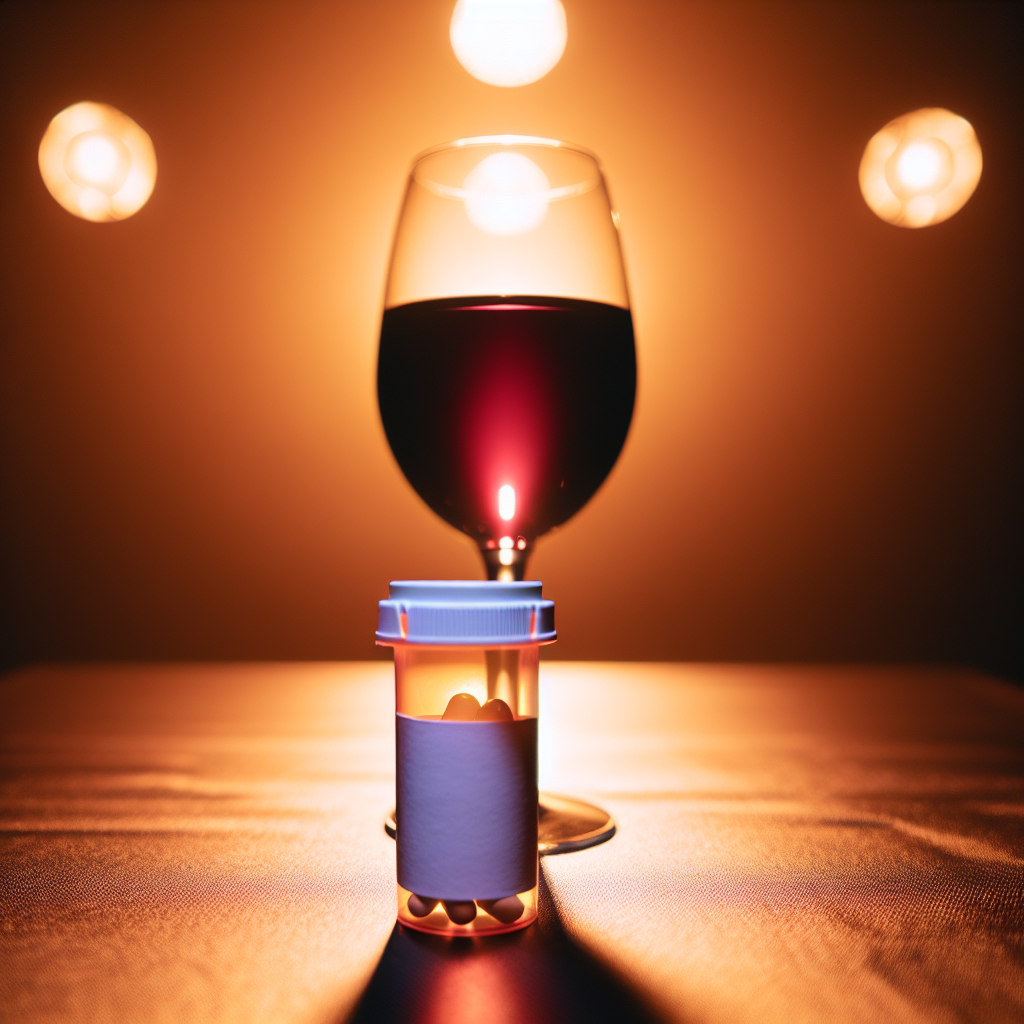
- The FDA and Lexapro's manufacturer explicitly recommend avoiding alcohol while taking escitalopram.
- Mixing Lexapro 10 mg with alcohol can intensify drowsiness, impaired judgment, and motor coordination problems beyond what either substance causes alone.
- Alcohol is a central nervous system depressant that can worsen depression and anxiety — the very conditions Lexapro is prescribed to treat.
- Even moderate drinking (1-2 drinks) can reduce Lexapro's effectiveness and interfere with your mental health treatment.
- Combining Lexapro with alcohol increases the risk of serotonin syndrome, a potentially life-threatening condition.
- Approximately 33% of people with major depression also have an alcohol use disorder, making this combination extremely common.
What Is Lexapro?
Lexapro (escitalopram) is a selective serotonin reuptake inhibitor (SSRI) prescribed for major depressive disorder and generalized anxiety disorder. The 10 mg dose is the most commonly prescribed starting and maintenance dose. Lexapro works by increasing serotonin levels in the brain, helping to improve mood, reduce anxiety, and restore emotional balance.
Why Is Drinking on Lexapro Risky?
Lexapro and alcohol both affect the central nervous system, but in different ways that can interact dangerously:
Enhanced Sedation: Both substances cause drowsiness. Together, they can produce excessive sedation, making activities like driving extremely dangerous.
Worsened Depression: Alcohol is a depressant that can counteract Lexapro's antidepressant effects. Regular drinking while on Lexapro can make your depression harder to treat and may lead your doctor to increase your medication unnecessarily.
Impaired Judgment: Alcohol reduces inhibitions and impairs decision-making. Combined with Lexapro's effects on the brain, this can lead to risky behaviors, emotional outbursts, or suicidal ideation in vulnerable individuals.
Serotonin Interactions: While rare, combining alcohol with SSRIs can contribute to serotonin syndrome — a dangerous condition characterized by agitation, rapid heart rate, high body temperature, muscle twitching, and seizures.
What Happens When You Mix Lexapro and Alcohol?
Common effects of drinking while on Lexapro 10 mg include:
- Increased drowsiness and fatigue
- Heightened intoxication (feeling drunker than expected from the same amount of alcohol)
- Worsened anxiety the day after drinking (hangxiety)
- Nausea and dizziness
- Emotional instability — crying, anger, or panic
- Blackouts at lower alcohol amounts than usual
- Reduced effectiveness of the antidepressant
How Much Alcohol Is Safe on Lexapro?
Most healthcare providers recommend complete abstinence from alcohol while taking Lexapro. However, some physicians may say that an occasional single drink is unlikely to cause serious harm for most patients.
The safest approach is to:
- Discuss your alcohol use honestly with your prescribing doctor
- If you do drink, limit yourself strictly and monitor your reaction
- Never binge drink while on Lexapro
- Avoid driving or operating machinery after combining the two
If you or a loved one is facing these challenges, learn more about understanding the risks of alcohol with medications available at Trailhead Treatment Center in Salem, NH.
When Drinking on Lexapro Signals a Bigger Problem
If you find yourself unable to stop drinking despite being on an antidepressant, this may indicate a co-occurring alcohol use disorder. Dual diagnosis — simultaneous mental health and substance use disorders — requires integrated treatment that addresses both conditions.
Trailhead Treatment Center provides comprehensive care for depression and co-occurring alcohol use to support lasting recovery and wellness.
Conclusion
Drinking on Lexapro 10 mg is not recommended due to the risk of enhanced sedation, worsened depression, and reduced medication effectiveness. If you are struggling to avoid alcohol while managing depression or anxiety, you are not alone. Trailhead Treatment Center specializes in dual diagnosis treatment, addressing both mental health and substance use in our comprehensive outpatient programs.