
Key Takeaways
- Long-term opioid use permanently alters brain structure and function, particularly in areas governing decision-making, impulse control, and reward processing.
- Chronic opioid use suppresses the immune system, increasing susceptibility to infections including pneumonia and tuberculosis.
- Gastrointestinal complications from prolonged opioid use include severe chronic constipation, bowel obstruction, and narcotic bowel syndrome.
- Opioid-induced hormonal changes can cause infertility, sexual dysfunction, osteoporosis, and depression.
- Respiratory system damage from long-term opioid use includes chronic respiratory depression and increased risk of sleep apnea.
- Even after stopping opioids, some brain changes may take months to years to partially reverse, while some damage may be permanent.
How Opioids Damage the Body Over Time
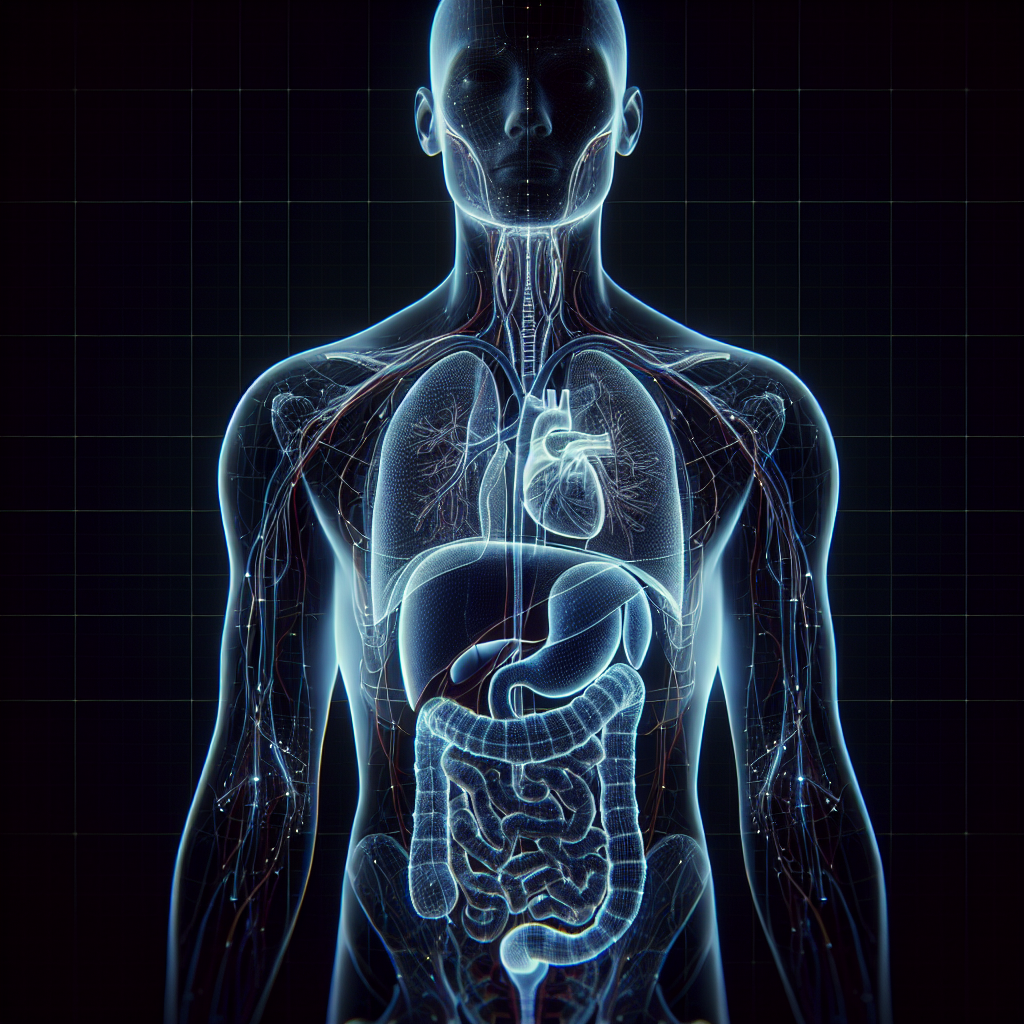
Opioids — including prescription painkillers (oxycodone, hydrocodone, fentanyl) and illicit drugs (heroin) — bind to opioid receptors throughout the body. While short-term use under medical supervision can be appropriate for acute pain, prolonged use causes widespread damage to virtually every organ system.
Brain and Nervous System
The brain is the organ most profoundly affected by long-term opioid use:
- Reward system hijacking: Opioids flood the brain with dopamine, gradually rewiring the reward system to prioritize drug use above all other activities
- White matter deterioration: Studies show reduced white matter integrity, affecting decision-making, behavioral regulation, and stress response
- Hormonal disruption: Opioids suppress the hypothalamic-pituitary axis, reducing production of cortisol, testosterone, and estrogen
- Hyperalgesia: Paradoxically, chronic opioid use can increase pain sensitivity — a condition called opioid-induced hyperalgesia
- Cognitive decline: Memory, attention, and executive function deteriorate with chronic use
Cardiovascular System
- Chronic opioid use is associated with increased risk of heart infections (endocarditis), particularly among those who inject
- QT prolongation (abnormal heart rhythm) — especially with methadone
- Increased risk of heart attack and stroke
- Low blood pressure and fainting episodes
Respiratory System
- Chronic respiratory depression (slow, shallow breathing) — the primary cause of opioid overdose death
- Increased risk of pneumonia and respiratory infections
- Sleep-disordered breathing and sleep apnea
- Reduced cough reflex leading to aspiration pneumonia
Gastrointestinal System
- Opioid-induced constipation (OIC) — affects up to 80% of chronic users
- Narcotic bowel syndrome — increased abdominal pain despite continued opioid use
- Bowel obstruction and perforation in severe cases
- Nausea and reduced appetite
Immune System
- Opioids suppress immune cell function, including natural killer cells and T-cells
- Increased susceptibility to bacterial, viral, and fungal infections
- Slower wound healing
- Higher rates of HIV and hepatitis C among people who inject drugs
Endocrine System
- Reduced testosterone in men (opioid-induced androgen deficiency)
- Menstrual irregularities and infertility in women
- Decreased bone density (osteoporosis risk)
- Fatigue, depression, and decreased libido
If you or a loved one is facing these challenges, learn more about comprehensive opioid addiction treatment programs available at Trailhead Treatment Center in Salem, NH.
Can the Damage Be Reversed?
Some long-term opioid effects are reversible with sustained abstinence and treatment:
- Brain function: Cognitive abilities improve over months to years of sobriety, though some structural changes may persist
- Immune function: Begins to recover within weeks of stopping
- Hormonal balance: May take months to normalize; some patients need hormone replacement
- GI function: Improves significantly but chronic constipation may persist
- Respiratory function: Normalizes relatively quickly after cessation
Trailhead Treatment Center provides multiple levels of care for lasting recovery to support lasting recovery and wellness.
Conclusion
The long-term effects of opioid abuse are extensive and affect virtually every system in the body. However, many of these effects can be partially or fully reversed with appropriate treatment and sustained recovery. If you or a loved one is struggling with opioid dependence, Trailhead Treatment Center offers comprehensive treatment including medication-assisted treatment (MAT).