
Key Takeaways
- Prescription drug misuse affects approximately 16 million Americans, making it one of the most common forms of substance abuse.
- The three most commonly abused prescription drug categories are opioids (painkillers), benzodiazepines (anti-anxiety), and stimulants (ADHD medications).
- Prescription drug abuse often begins with legitimate medical use — taking more than prescribed, using it for non-medical purposes, or continuing after the medical need has resolved.
- Unlike illicit drugs, prescription drug abuse carries a false sense of safety because the medication was originally prescribed by a doctor.
- Signs include running out of prescriptions early, doctor shopping, combining medications with alcohol, and changes in behavior or mood.
- Treatment approaches mirror those for illicit drug addiction — MAT, behavioral therapy, and comprehensive outpatient programs.
When Does Prescription Use Become Abuse?
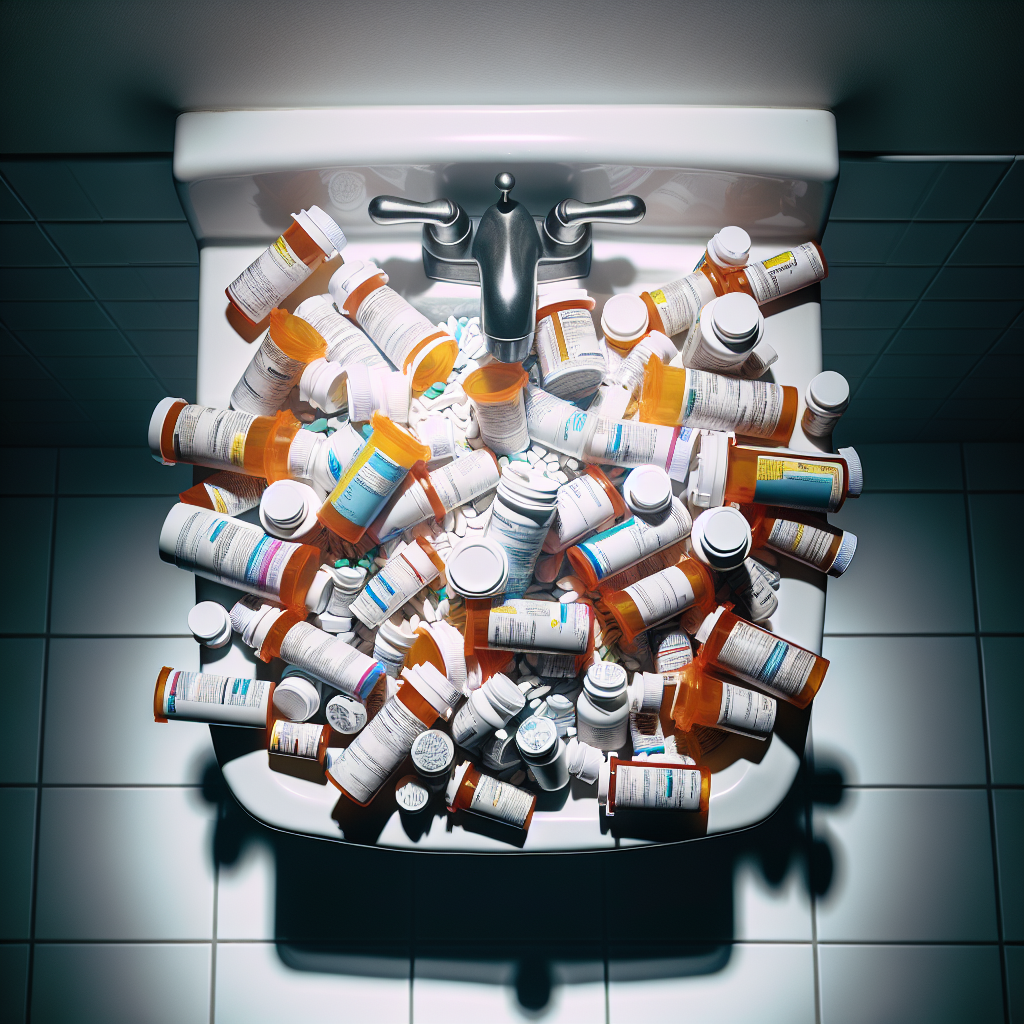
The line between appropriate prescription use and abuse can be subtle. Prescription drug abuse occurs when someone uses a medication in any way other than prescribed — taking higher doses, using someone else's prescription, taking it for the feeling it produces rather than the condition it treats, or continuing use after the medical need has ended.
Most Commonly Abused Prescription Drugs
Opioid Painkillers:
- OxyContin, Percocet, Vicodin, fentanyl patches
- Produce euphoria and pain relief
- Highly physically addictive
- Gateway to heroin use when prescriptions end
Benzodiazepines:
- Xanax, Valium, Klonopin, Ativan
- Produce calm, sedation, and anxiety relief
- Physical dependence develops within weeks
- Withdrawal can be life-threatening
Stimulants:
- Adderall, Ritalin, Concerta, Vyvanse
- Produce focus, energy, and euphoria
- Commonly misused by students and professionals
- Can be crushed and snorted for intensified effects
Signs of Prescription Drug Abuse
- Taking higher doses than prescribed
- Running out of prescriptions before the refill date
- Seeking prescriptions from multiple doctors ("doctor shopping")
- Using medication prescribed for someone else
- Combining prescriptions with alcohol or other substances
- Taking medication for its mood-altering effects rather than medical purpose
- Changes in sleep patterns, appetite, or behavior
- Secrecy about medication use
- Continued use despite negative consequences
The False Safety Perception
One of the most dangerous aspects of prescription drug abuse is the perception that "it's safe because a doctor prescribed it." This ignores:
- Medications are prescribed for specific conditions at specific doses for specific durations
- Using outside those parameters changes the risk profile entirely
- Prescription opioids killed over 14,000 Americans in 2022
- Prescription drug abuse is a leading pathway to illicit drug use
If you or a loved one is facing these challenges, learn more about treatment for prescription sedative addiction available at Trailhead Treatment Center in Salem, NH.
Treatment for Prescription Drug Addiction
Treatment follows evidence-based approaches:
- MAT for opioid prescription drug addiction (Suboxone, Vivitrol)
- Gradual tapering for benzodiazepine dependence under medical supervision
- CBT to address the behavioral and psychological aspects
- Comprehensive outpatient programs providing structure and accountability
- Medication management to address underlying conditions (pain, anxiety, ADHD) with non-addictive alternatives
Trailhead Treatment Center provides begin your recovery with a confidential consultation to support lasting recovery and wellness.
Conclusion
Prescription drug abuse is a widespread but treatable condition. If you recognize these signs in yourself or a loved one, professional help can break the cycle. Trailhead Treatment Center offers specialized treatment for prescription drug addiction.