
Key Takeaways
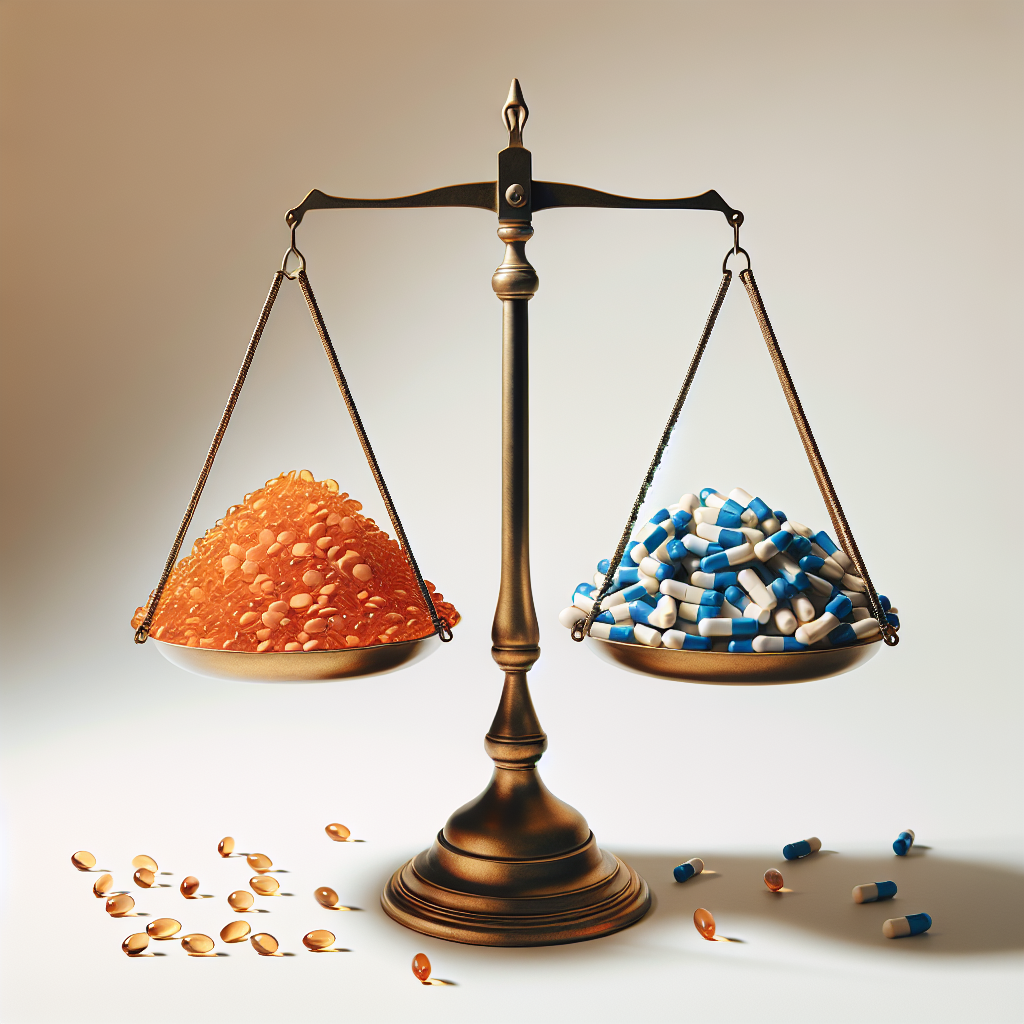
- Vyvanse (lisdexamfetamine) and Adderall (amphetamine salts) are both stimulant medications used to treat ADHD, but they differ in how they work and affect mood.
- Vyvanse is a prodrug that must be converted to active dextroamphetamine in the body, resulting in a smoother, more gradual onset and reduced crash.
- Adderall contains a mix of amphetamine salts that produce a faster onset but may cause more pronounced mood fluctuations.
- Patients frequently report that Vyvanse produces fewer mood swings, less irritability, and a gentler comedown compared to Adderall.
- Both medications are Schedule II controlled substances with potential for misuse, though Vyvanse's prodrug design makes it slightly harder to abuse.
- The choice between Vyvanse and Adderall should be based on individual response, side effect profile, and discussion with your prescriber.
How Vyvanse and Adderall Affect Mood
One of the most common reasons people compare these medications is their different effects on mood and emotional stability.
Adderall and Mood
Adderall contains a mixture of four amphetamine salts (75% dextroamphetamine, 25% levoamphetamine). This combination produces:
- On medication: Enhanced focus, elevated mood, increased motivation, energy, and confidence
- Peak effects: Can produce euphoria, especially at higher doses — which is why it has significant abuse potential
- Wearing off: Many users experience a noticeable "crash" as the medication wears off — irritability, low mood, fatigue, and difficulty concentrating
- Mood pattern: Up-down cycle that can feel like a roller coaster, particularly with immediate-release formulations
Vyvanse and Mood
Vyvanse contains lisdexamfetamine, an inactive prodrug that is converted to active dextroamphetamine by enzymes in the body. This design produces:
- On medication: Steady, smooth focus enhancement with less pronounced mood elevation
- Peak effects: More gradual onset reduces the euphoric peak, lowering abuse potential
- Wearing off: Gentler decline in effects — less crash, more gradual return to baseline
- Mood pattern: Flatter, more stable curve throughout the day
Side-by-Side Comparison
| Factor | Adderall | Vyvanse | |--------|----------|---------| | Active ingredient | Mixed amphetamine salts | Lisdexamfetamine (prodrug) | | Onset | 30-45 min (IR), 60 min (XR) | 1-2 hours | | Duration | 4-6 hrs (IR), 10-12 hrs (XR) | 10-14 hours | | Mood elevation | More pronounced | More subtle | | Crash severity | More noticeable | Milder | | Irritability risk | Higher | Lower | | Abuse potential | Higher (can be crushed/snorted) | Lower (prodrug design) | | Available generics | Yes (cheaper) | Yes (as of 2023) | | Formulations | IR tablets + XR capsules | Capsules + chewable tablets |
If you or a loved one is facing these challenges, learn more about seeking help for prescription stimulant dependency available at Trailhead Treatment Center in Salem, NH.
Abuse and Addiction Potential
Both medications carry abuse risk as Schedule II stimulants, but there are important differences:
- Adderall can be crushed and snorted or injected, bypassing the extended-release mechanism and producing a rapid, intense high
- Vyvanse must be enzymatically converted in the body, so crushing or snorting it does not produce a faster or more intense effect
- Both medications can lead to psychological dependence, particularly when used for cognitive enhancement without a prescription
When Stimulant Use Becomes a Problem
Signs that ADHD medication use has crossed into misuse:
- Taking higher doses than prescribed
- Using medication without a prescription
- Taking medication to get high rather than for focus
- Crushing, snorting, or injecting the medication
- Running out of prescriptions early
- Doctor shopping for additional prescriptions
- Continuing to use despite negative consequences
Trailhead Treatment Center provides treating ADHD alongside substance use disorders to support lasting recovery and wellness.
Conclusion
Both Vyvanse and Adderall are effective ADHD medications, but their different pharmacological designs produce meaningfully different mood profiles. Vyvanse generally offers smoother, more stable effects with less crash, while Adderall may provide stronger acute effects but with more mood fluctuation. If stimulant medication use has become problematic, Trailhead Treatment Center can help.